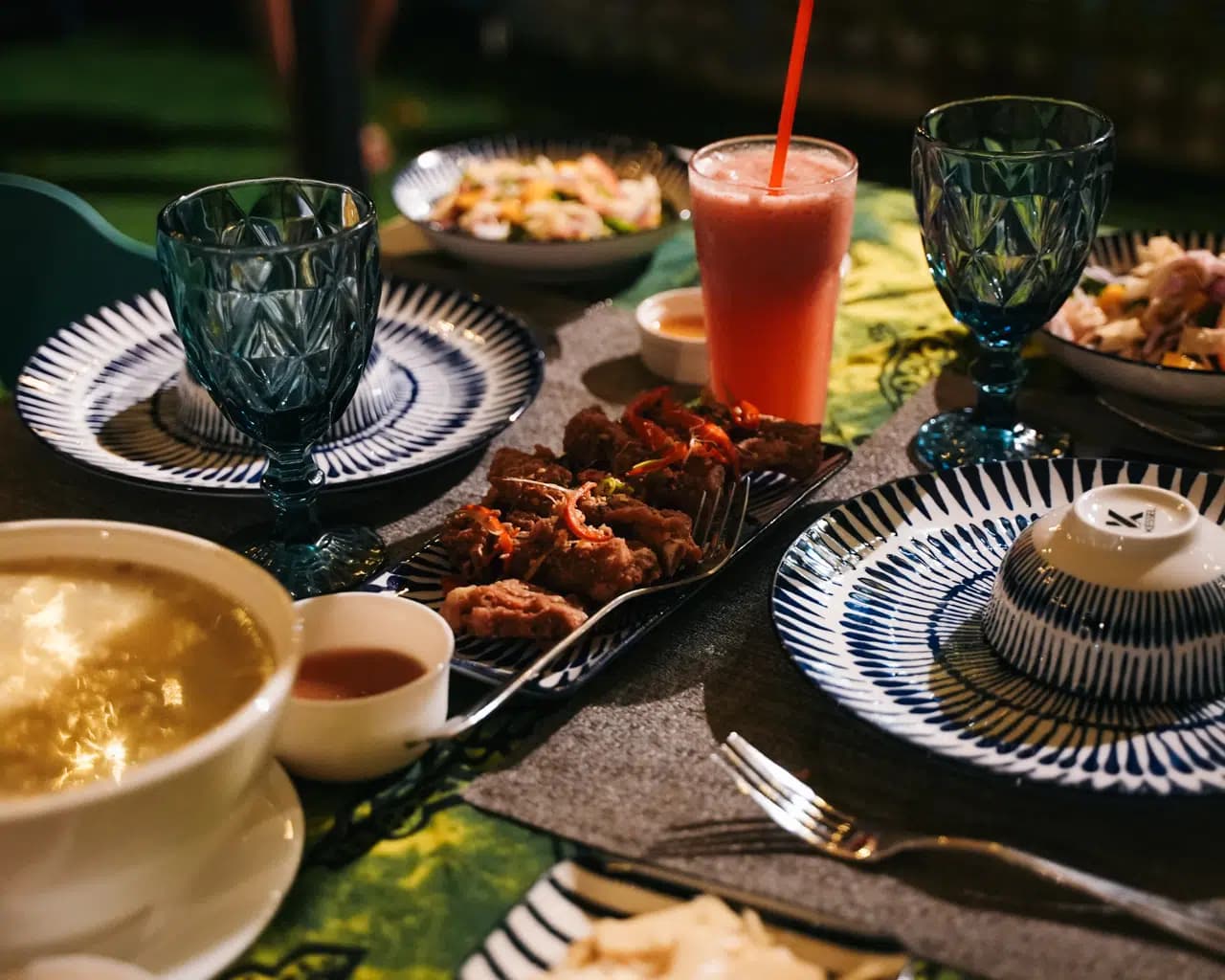
Camiguin is not a restaurant island. There's no strip of celebrated kitchens, no reservation you need to make three months out, and by nine most evenings the island is quiet.
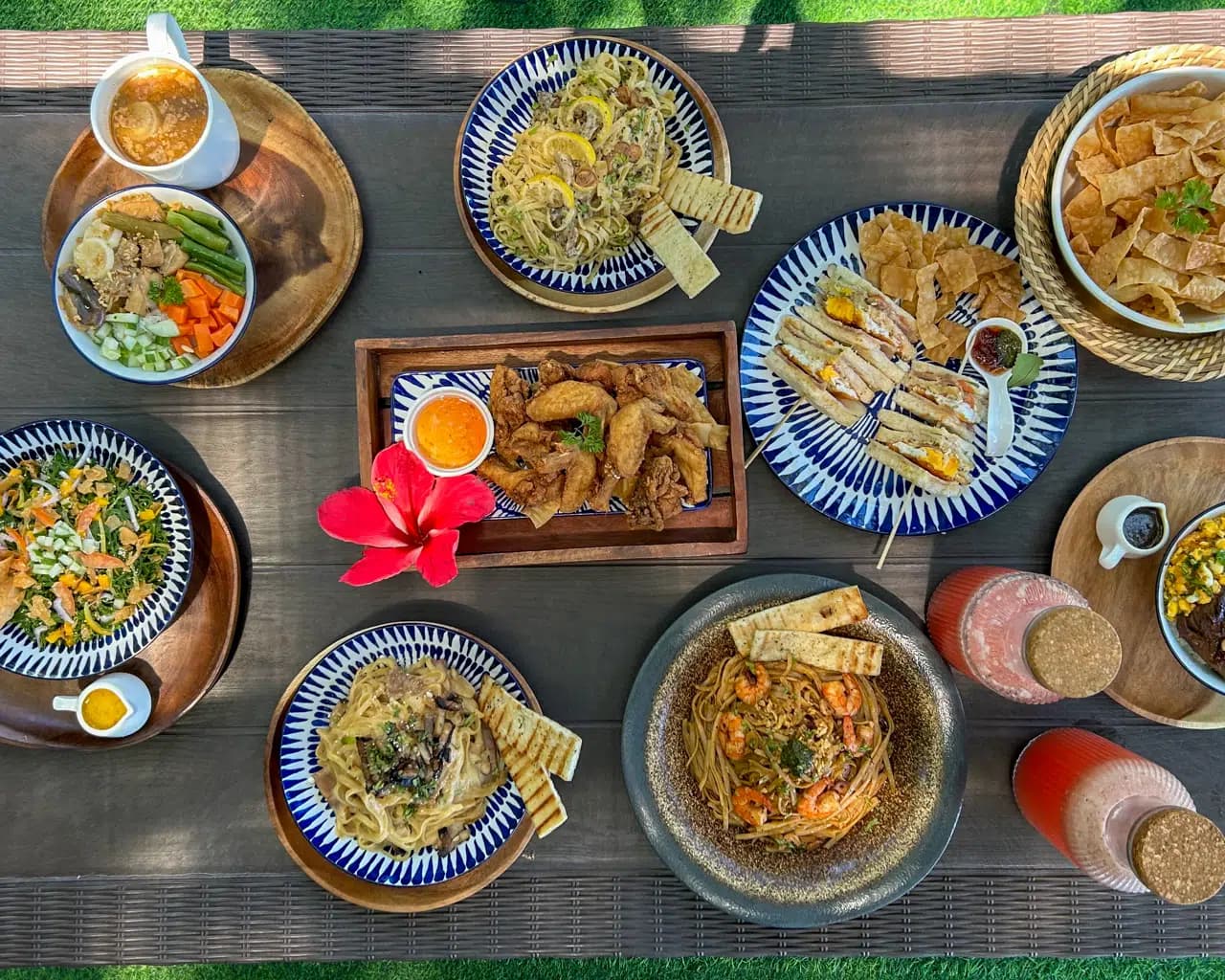
What it has instead is better and stranger: a bread that exists because of a volcano, the sweetest version of a fruit grown across half of Asia, and food traditions that came off a Spanish galleon and never left.
This is what to actually eat here, why each thing tastes the way it does, and what to carry home. Written from a kitchen on a Mambajao clifftop that cooks half of it.
Written by the family at Txaleta de Camiguin. Last updated August 2026.
The short list
If you eat only five things:
- Pastel — the soft filled bun that is Camiguin's signature, and its most-carried souvenir.
- Lanzones — bought from a roadside stall, not a shop.
- Fresh seafood, grilled simply, ideally the same day it came out of the Bohol Sea.
- Sikwate with suman — thick native hot chocolate with sticky rice.
- Kiping — the local cassava snack most visitors never hear about.
Everything else on this page is a reason to stay for another meal.
Pastel: the bun the volcano makes
Ask anyone in the Philippines what Camiguin is famous for and you'll get two answers. Lanzones is one. Pastel is the other.
What it is: a soft, light, slightly sweet bun, traditionally filled with yema — a rich custard of condensed milk and egg yolk. The original is the yema one. Modern versions run to ube, macapuno, cheese, durian and a dozen other fillings, some of them excellent and some of them clearly invented on a slow afternoon.
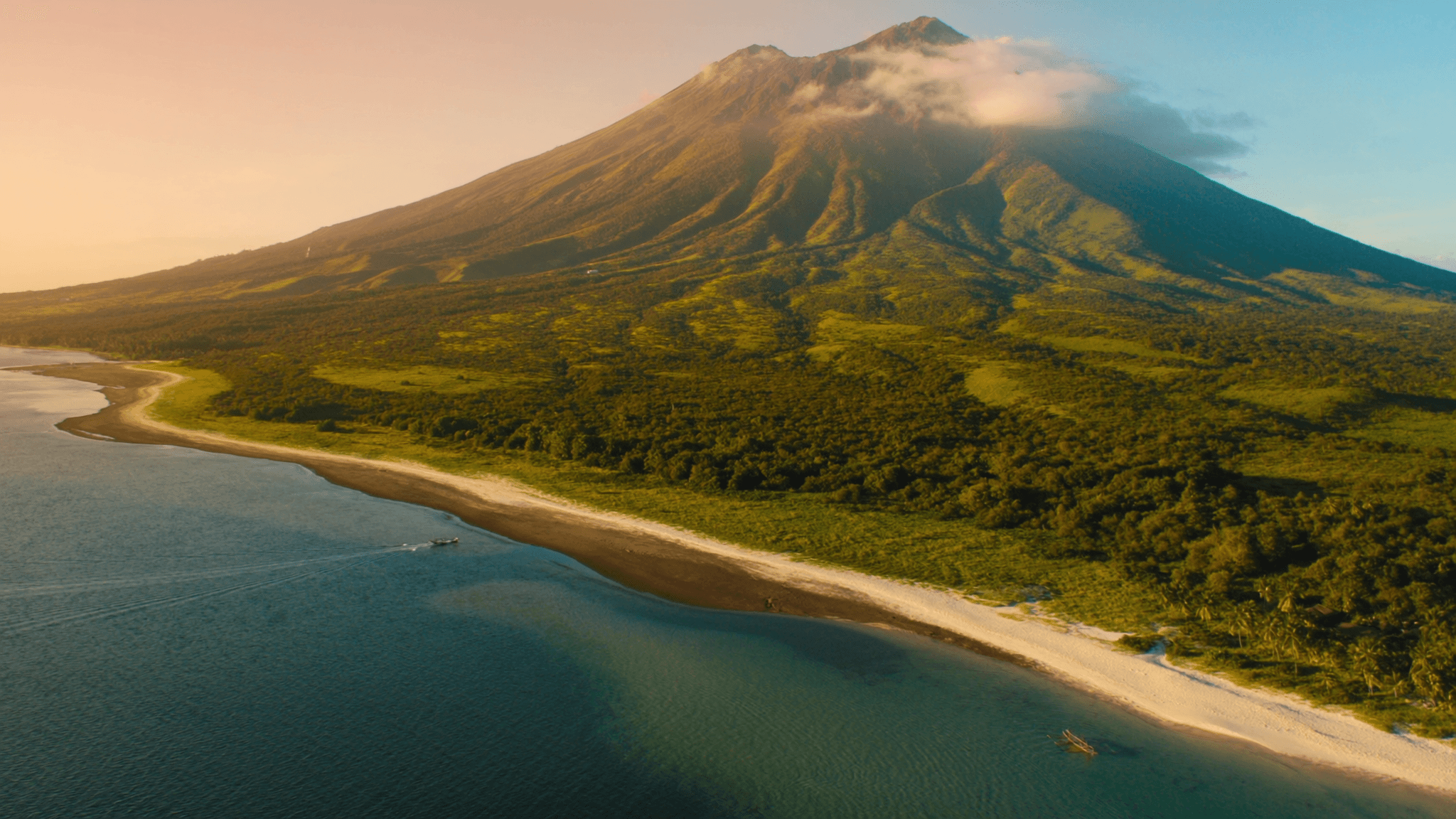
Why it's different here: the local claim — and it's a lovely one — is that Camiguin pastel tastes sweeter because of the water. The island's bakers use water that comes from the volcanic ground, the same source that feeds the soda pool and the springs on Hibok-Hibok's flank. Whether it's the minerals or the method, the island's version has a reputation the mainland copies don't.
Where: Vjandep is the name most associated with it, with outlets in Mambajao and near Benoni port — convenient, since Benoni is where the ferry leaves and boxes of pastel are what half the passengers are carrying.
Practical: buy it at the end of your trip, not the beginning. It's soft bread with a custard filling and it doesn't keep well. Boxes are the standard pasalubong — the gift you bring home — and everyone will expect one.
Lanzones: buy it from the road
The island's other claim to fame, and the reason for the October festival.
What it is: small translucent fruit growing in tight clusters, with a thin khaki skin that pinches open to reveal white segments — sweet, faintly floral, with a sour edge and bitter seeds you learn to avoid after the first one.
Why Camiguin's are the best: volcanic soil. The island's ash-fed ground produces lanzones that are smaller, sweeter and less sour than the mainland kind, and they command a premium in markets across the country.
When: harvest is around October, which is when the festival happens and when the fruit is everywhere at its cheapest and best. Outside the season you'll still find it, but it won't be the same.
Where: a roadside stall on the ring road. Not a shop, not a supermarket. It costs very little, it's the freshest you will ever eat, and the money goes straight to the family that grew it. Do this at least twice.
The local plates most visitors miss
Beyond the famous two, there's a set of things that don't make it into most guides.
Kiping — sun-dried cassava paste, fried and sprinkled with latik (caramelised coconut). Crisp, sweet, faintly nutty, and completely unlike anything you'll have eaten. Ask for it; it's not always on menus.
Surol — a local viand of chicken cooked with coconut sap, herbs and spices. Rich, slightly sour-sweet from the sap, and the kind of dish that only exists where the ingredients grow within walking distance.
Sikwate — thick native hot chocolate, made from local cacao, traditionally taken with suman (sticky rice in banana leaf) and ripe mango. This is a breakfast, not a dessert, and it's how mornings are done here. Our own heritage breakfast, Almusal sa Bahay, is built on the same idea.
Kinilaw — the Filipino cured raw fish, in vinegar with ginger, onion and chilli. On an island where the fish came off a boat that morning, this is the dish that tells you whether a kitchen is any good.
Local cacao — Camiguin grows it, and the island's cacao products are a better souvenir than most of what's in the gift shops.
The seafood question
The Bohol Sea is right there, so the honest advice is: eat what came out of it this morning, cooked simply.
Grilled fish with calamansi, garlic and a little salt. Squid. Prawns. That's the whole method and it doesn't need improving.
A practical note: on a small island, "fresh" varies with the weather. When the sea has been rough for two days, the catch is thinner. Ask what came in today rather than ordering off the menu — any decent kitchen will tell you straight, and ours does.
Where the restaurants are
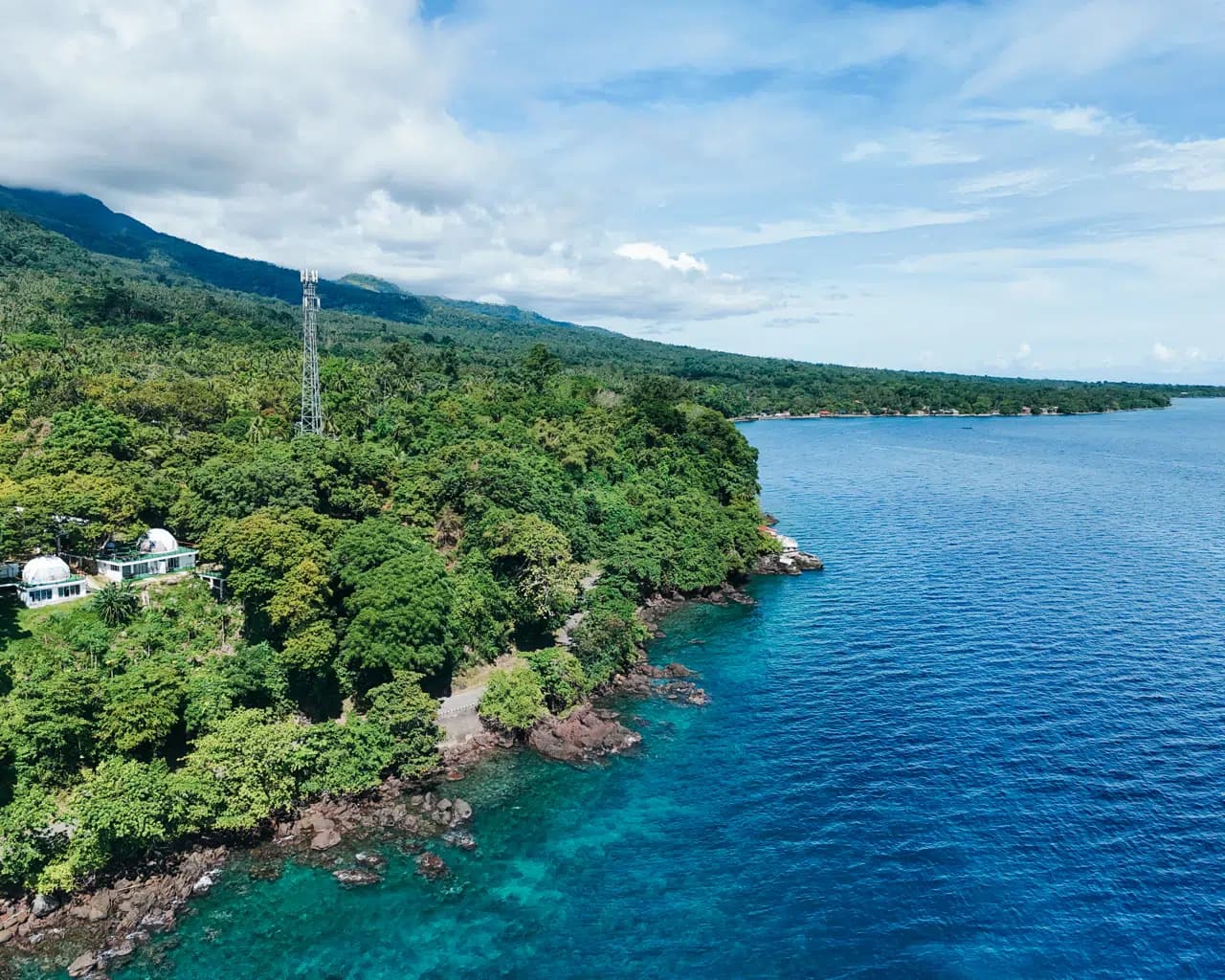
Camiguin's dining is concentrated on the north-west coast of Mambajao, along with everything else. Off that stretch, options thin out fast and close early — which is one more reason to base yourself there, as we explain in where to stay in Camiguin.
Broadly, you have three categories:
Carinderias — small local eateries, ₱80–150 a meal, food cooked that morning and displayed in trays. Point at what looks good. This is where you'll eat best per peso on the island.
Casual restaurants — ₱250–450 a main, mostly along the Agoho–Yumbing stretch, a mix of Filipino and traveller-friendly menus.
Resort kitchens — ₱400–800 a main. On this island these do more of the heavy lifting than elsewhere, because most guests eat where they're staying. Which means the kitchen at your accommodation matters more here than it would in a city.
Our own is Filipino-Spanish and open to walk-ins as well as guests — paella, gambas al ajillo, croquetas, and the island's seafood done properly. Full detail on the dining page and the menu. A 5% service charge applies, and it goes to the team. If you want to know how to tell a real paella from the yellow-rice impostor before you order one, we've set out the five tests — and where the dish fits on this island — in our honest guide to the best paella in Camiguin.
What to bring home
| Item | Notes |
|---|---|
| Pastel | The default. Buy on your last day; it doesn't keep |
| Lanzones | In season, from the road. Check your airline's rules |
| Local cacao / tablea | Travels well, genuinely good, underrated |
| Kiping | Light, crisp, unusual — a better gift than it sounds |
| Sea glass jewellery | Not food, but the island's best souvenir. See our community page |
Frequently asked questions
What food is Camiguin famous for?
Pastel — a soft bun filled with yema custard, most associated with Vjandep — and lanzones, the small sweet fruit the island grows better than anywhere in the Philippines thanks to its volcanic soil. Beyond those, look for kiping, surol, sikwate with suman, kinilaw and the day's seafood.
What is Camiguin pastel?
A soft, light, slightly sweet bun traditionally filled with yema, a custard of condensed milk and egg yolk. Modern versions come with ube, macapuno, cheese and other fillings. Locals say Camiguin's tastes sweeter because the water used to bake it comes from the island's volcanic ground.
Where can you buy pastel in Camiguin?
Vjandep is the name most associated with it, with outlets in Mambajao and near Benoni port — the latter convenient if you're leaving by ferry. Buy it on your last day rather than your first, since it's soft bread with a custard filling and doesn't keep well.
When is lanzones season in Camiguin?
Around October, which is when the Lanzones Festival is held. That's when the fruit is at its cheapest, most abundant and best. It's available outside the season too, but not at the same quality.
What is kiping?
A Camiguin snack made from sun-dried cassava paste, fried and sprinkled with latik — caramelised coconut. Crisp, sweet and faintly nutty. It's not always on menus, so ask.
Do restaurants in Camiguin close early?
Yes, and this catches people out. Outside the north-west coast of Mambajao, kitchens thin out fast and many close by early evening. Plan dinner rather than wandering out at nine hoping to find something — or eat where you're staying, which is what most visitors end up doing. Full price points are in our trip cost guide.
Which coast has the restaurants in Camiguin?
The north-west coast of Mambajao has almost all of the island's restaurants and cafés. Elsewhere on the ring road, options thin out quickly and close early — so plan meals around that coast, or eat where you're staying. For the restaurants themselves, including which resort kitchens take walk-ins, see the best restaurant in Camiguin.
Is the seafood good in Camiguin?
Yes, when it's fresh, which depends on the weather. After rough seas the catch is thinner. Ask what came in that morning rather than ordering from the menu, and take it grilled simply with calamansi and garlic. Kinilaw is the dish that reveals whether a kitchen knows what it's doing.
What should I bring home from Camiguin?
Pastel is the standard pasalubong, bought on your last day. Local cacao and tablea travel better. Kiping is light and unusual. In season, lanzones — though check your airline's rules on fresh fruit.
Are there vegetarian options in Camiguin?
Yes, though you'll need to ask. Filipino cooking leans meat and seafood, but rice, vegetable dishes, fresh fruit and eggs are everywhere, and resort kitchens will adapt with notice. Tell your accommodation in advance rather than on arrival.
Come home to Camiguin
The best meal you'll have here probably won't be in a restaurant. It'll be lanzones eaten out of a bag on the ring road with sticky hands, or a fish grilled by someone who caught it, or sikwate and mango on a terrace before anyone else is awake.
We'll point you at the roadside stalls, tell you honestly what came in this morning, and pack you a picnic for the sandbar. And breakfast by the water is part of every stay.
See the menu, browse our rooms, book your stay direct, or message us on WhatsApp. Reach us anytime at +63 917 582 2277, or visit us at Purok 6, Puting Balas, Mambajao, 9100 Camiguin.
Come hungry. Leave nourished. Welcome home.
More Than a Resort. A Place to Belong. — Txaleta de Camiguin