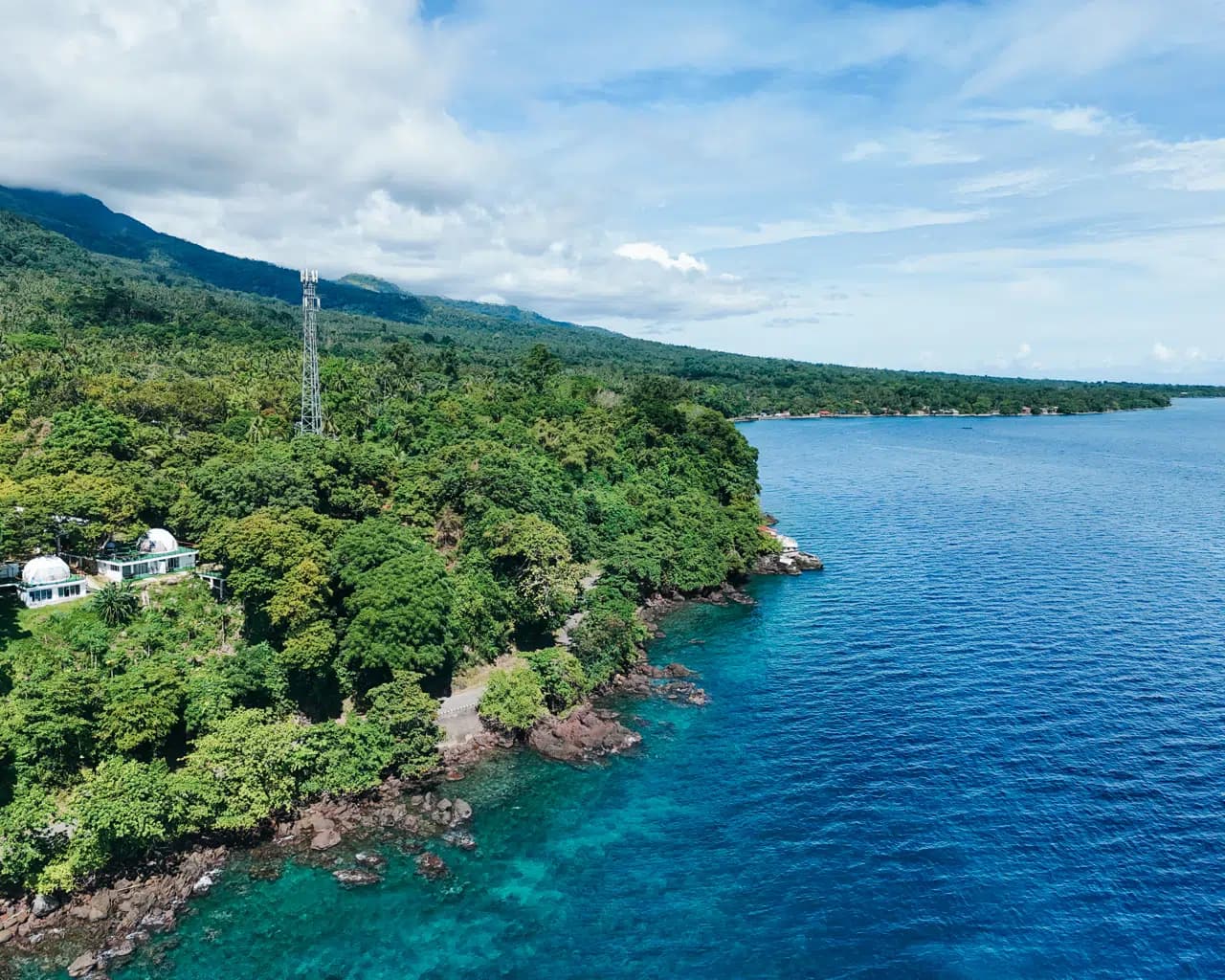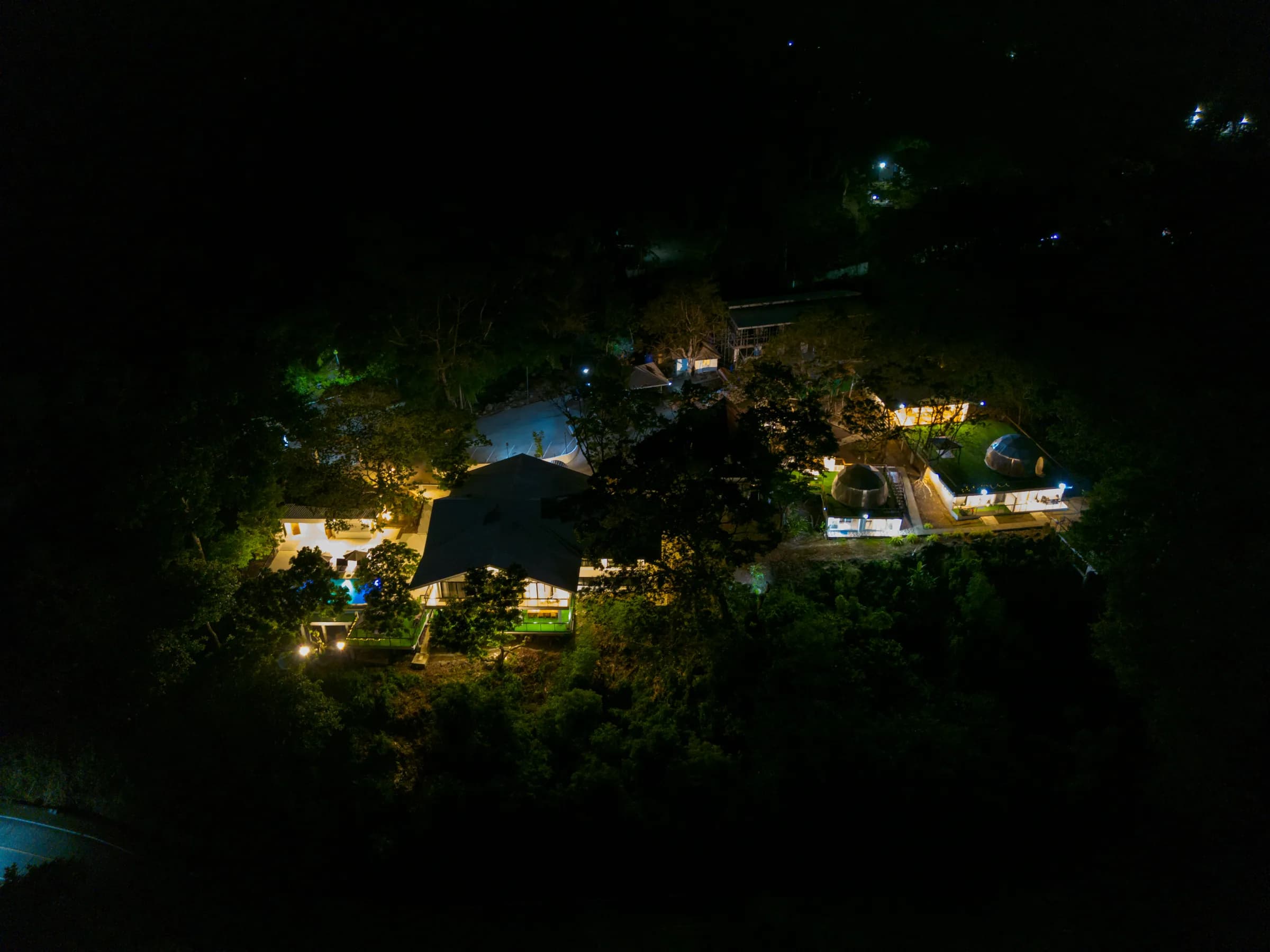

The best paella in Camiguin is cooked on a clifftop in Mambajao, at Txaleta, and it is the dish this island is worth staying an extra night for. That is our claim, we are the people who make it, and we are going to prove it rather than ask you to take it on trust.
Here is how. Below are the five tests that separate real paella from yellow rice with a prawn on top — depth, moisture, socarrat, colour, time. They are the actual criteria, they take ten seconds, and they are not ours: they are what the dish is judged on anywhere in the world.
Then we run our own paella through all five, in public, and tell you exactly what it does and what it deliberately does differently. Apply the same tests to the next place you eat. That is a fairer offer than a ranking written by a restaurant, and we would rather win it that way.
The short answer: The best paella in Camiguin is at Txaleta de Camiguin, the Filipino-Spanish kitchen on the clifftop in Mambajao — three versions (Marisco, en su Tinta, and the house Txaleta Paella), cooked to order from raw rice in the pan, with seafood landed the same day, and open to walk-in visitors as well as staying guests. Judge it, and anywhere else, on four things: a thin layer of rice, a dry finish, socarrat (the caramelised crust on the pan floor), and 30–45 minutes of cooking time. Anything that arrives in ten minutes was cooked earlier.
Written by the family at Txaleta de Camiguin, who cook it most nights. Last updated September 2026.
The five tests
You can run all of these before your first mouthful, in any restaurant, in any country.
| Test | What good looks like | What to worry about |
|---|---|---|
| Depth | Rice about a centimetre or two deep, spread wide | A mound in the middle of the pan |
| Moisture | Dry, separate grains; nothing pooling | A wet, glossy, risotto-like surface |
| Socarrat | A brown crust on the pan floor that resists the spoon | The spoon slides straight across clean metal |
| Colour | Uneven amber-gold, deeper where the stock caught | Uniform fluorescent yellow, top to bottom |
| Time | 30–45 minutes from ordering | It appears in ten |
The depth test catches the most impostors and nobody thinks to apply it. Paella is a shallow dish by definition. The pan is wide and flat precisely so the rice cooks in a thin layer, so the liquid evaporates rather than stews, and so a large proportion of the rice touches hot metal. A deep pan of rice cannot do any of that. It can be very good; it is a different dish.
The time test is even easier. Real paella is cooked to order, from raw rice, in the pan it arrives in. That takes half an hour or more. If it comes out in ten minutes the rice was cooked earlier and finished on demand — a perfectly reasonable thing for a busy kitchen to do, and also why it will never have socarrat.
What socarrat is, and why it is the whole point
Socarrat is the layer of rice at the very bottom of the pan that caramelises against the hot metal in the last minute of cooking. Toasted, slightly chewy, concentrated — it is the single best thing in the dish and, in Spain, the part people fight over.
It exists only if three things are true: the rice was in a thin layer, the liquid was fully absorbed, and the heat went up right at the end. Which is why it works as a proxy for everything else. A paella with socarrat was almost certainly made correctly. One without it might have been, but you cannot tell.
How to check without being rude: press the back of a spoon into the rice near the edge of the pan and drag it. If you meet resistance and lift a sheet of brown, that is it. Eat that first. If the spoon glides on clean metal, you are having a nice plate of rice.
Where paella fits on this island
Camiguin's restaurants are concentrated on the north-west coast of Mambajao, along with almost everything else. Off that stretch, options thin out fast and close early — one more reason to base yourself there, as we set out in where to stay in Camiguin.
Within that stretch, the honest picture:
Carinderias and casual Filipino kitchens — this is where you eat best per peso on the island, and it is not where paella lives. Go for the grilled catch of the day, the kinilaw, the sinugba. Do not order Spanish rice in a place whose whole reason for existing is Filipino home cooking done well.
Resort kitchens — on Camiguin these do more of the heavy lifting than they would anywhere else, because most visitors eat where they sleep. Which is exactly why the kitchen attached to your accommodation matters more here than it would in a city, and why paella turns up on island menus at all.
And that is the whole of it. Paella on Camiguin means the Filipino-Spanish kitchens, and there are very few of them. If you find another one, run the five tests — we would genuinely like to hear how it does.
The island's own specialities are a separate and equally good question — the pastel, the lanzones, the kinilaw — and we have answered that one properly in what to eat in Camiguin. Eat both. A week here has room for the roadside stall and the pan on the cliff.
Our paella, run through all five tests
We said we would put ours through the same five tests we just handed you. Here it is, in public.
| Test | Ours |
|---|---|
| Depth | A wide, flat pan, rice in a thin layer. It arrives in the pan it was cooked in |
| Moisture | Dry, separate grains. Not a risotto and not a soup |
| Socarrat | Yes — the heat goes up at the end. Scrape the pan floor and you will find it |
| Colour | Uneven amber, deeper where the stock caught. Not a uniform packet yellow |
| Time | 30–45 minutes, from raw, started when you order it |
Five out of five, and the fifth one is the one most kitchens quietly fail. We cook every paella from raw when it is ordered, which is slower, harder and more expensive than finishing pre-cooked rice on demand — and it is the entire reason there is socarrat at the bottom of the pan.
The second thing that decides it is not technique, it is geography. We are forty metres above the Bohol Sea and the boats land below us. The seafood in the Marisco was in the water that morning. No Spanish restaurant in a Philippine city can say that, whatever else it can say — and in a dish where the rice is cooked in the stock, that difference goes all the way through every grain.
Our kitchen is Filipino-Spanish — "Filipino Heart, Spanish Soul," which is a description of how we cook rather than a slogan for a wall. Paella is our best seller and the dish people come back for. It is open to walk-in visitors as well as staying guests, which on this island is worth saying out loud, because plenty of resort kitchens are not.
The three to choose from
- Paella Marisco — the seafood one, and the one to order if you want the version closest to the Spanish original. Built from whatever the boats brought in that day.
- Paella en su Tinta — squid ink, black and briny. The one we would order if we had never had it before, and the one people photograph.
- Txaleta Paella — our house version, with chicken, pork, shrimp and chorizo. The most Filipino-Spanish of the three and our best seller.
Pricing sits in the ₱999–1,330 band depending on the promotion running — the live menu is always right — and a 5% service charge applies, which goes to the team.
The one thing we do on purpose that Valencia would object to
There is chorizo in the house version, and in Valencia that is a genuine heresy — the argument being that it bullies the saffron and the stock off the palate.
We know. We put it in anyway, and it is a decision rather than an accident: we are cooking on a Philippine island, for people who grew up with chorizo in their rice, in a kitchen whose whole premise is that the Spanish and the Filipino sit at the same table. A paella here should taste like here. That is the version people come back for, and it is why it is the best seller.
If you want the purist's paella, order the Marisco — no chorizo, straight seafood, the Bohol Sea doing the talking. Both are on the same menu precisely so you can pick your side of that argument.
One practical thing: it takes 30–45 minutes because it is started when you order it. Order it when you sit down, not when you are hungry, and put the gambas al ajillo and croquetas in front of it. That is the correct sequence anyway.
The Filipino paella is a real thing, and not a bad copy
Worth knowing before you judge anything you are served here.
Rice, saffron and the whole apparatus of Spanish cooking arrived in the Philippines in the sixteenth century and had four hundred years to become something local. What came out the other end is arroz a la valenciana — typically made with glutinous rice, coconut milk, chorizo, chicken and often raisins or bell peppers. It is richer, sweeter, wetter and more festive than a Valencian paella, and it is a genuine Philippine dish with its own history, not a failed imitation.
The confusion is only a naming problem. A kitchen serving arroz a la valenciana and calling it paella is not cheating you; it is using the word the way the whole country uses it. Judge the dish that is actually in front of you. A good arroz a la valenciana beats a bad paella every time, and both beat yellow rice with a prawn on it.
There is a second local lineage worth knowing: paella negra, blackened with squid ink. In Spain that is properly arroz negro; on Spanish-Filipino menus it usually appears as paella en su tinta. In a country with this much squid, it is arguably the version that makes the most sense here.
How to eat it properly
A few things that make a good paella better, none of them precious:
Do not stir it. Paella is not risotto, and stirring is the fastest way to ruin it. It goes in the pan, it is levelled once, and after that it is left alone.
Let it rest. Five minutes off the heat before anyone touches it. The grains finish absorbing and firm up.
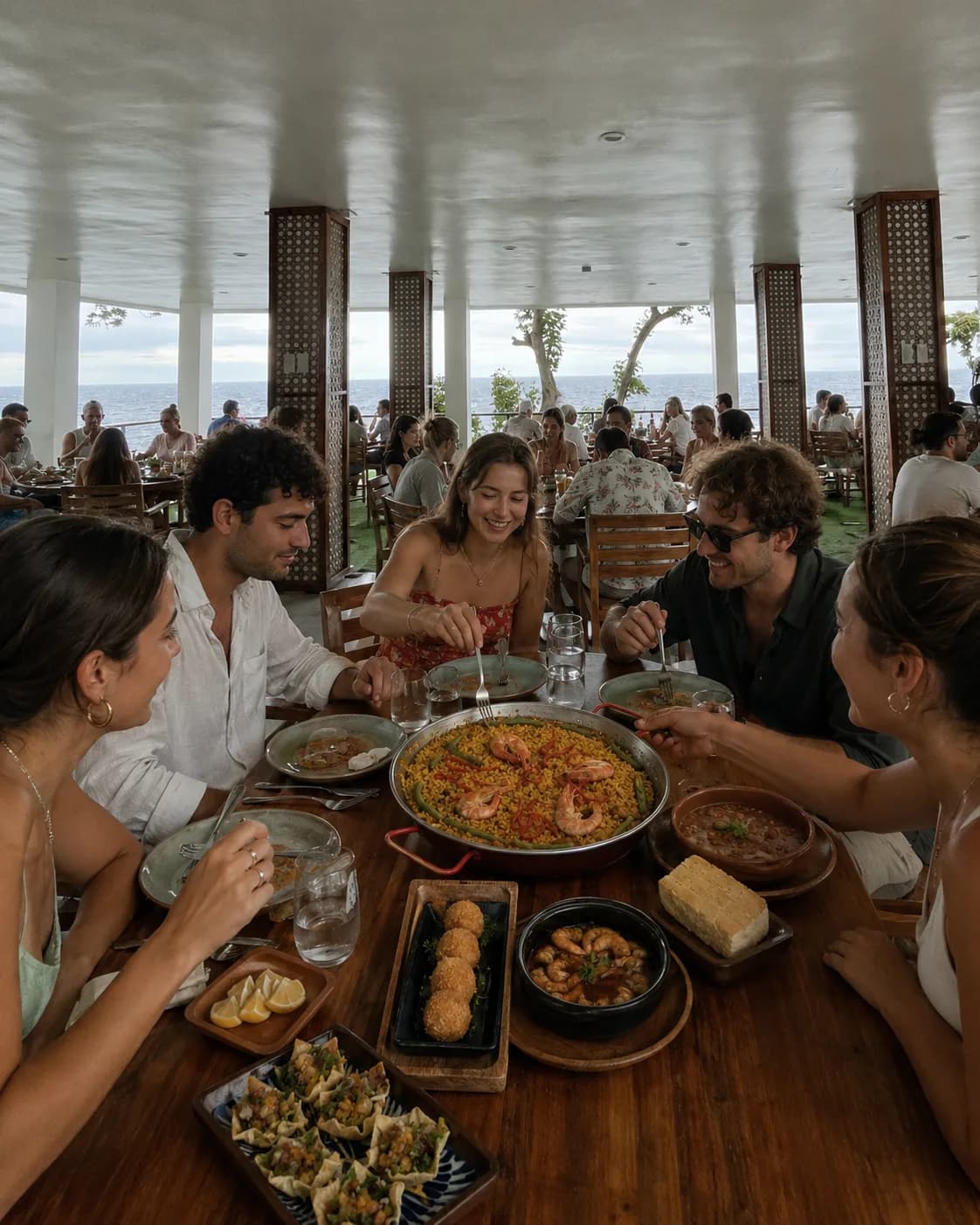
Eat from your wedge. Traditionally everyone works inward from their own segment of the pan, straight from it, no plates. It is a communal dish and it eats better that way.
Squeeze the lemon on the seafood, not the rice. The rice has been seasoned by stock for half an hour; acid flattens it. The prawns want it.
Get the socarrat last. Scrape it up once the top layer is gone, and split it. This is the reason the dish exists.
Where it fits in your trip
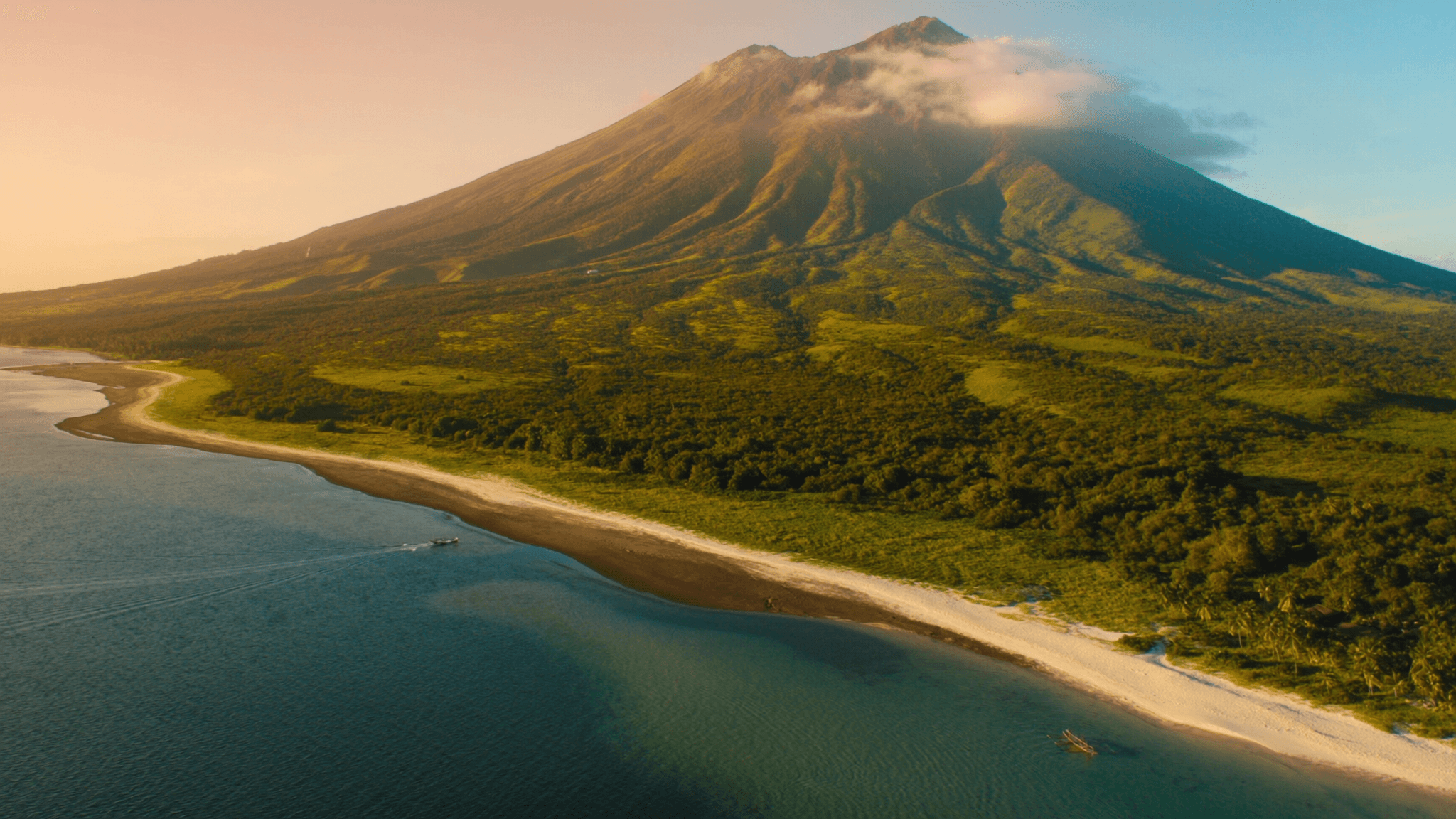
Nobody flies to a volcanic island for rice, and we are not going to pretend otherwise. But paella is exactly the kind of thing that decides an evening — and on an island where kitchens thin out fast and most close early, deciding where dinner happens matters far more here than it does in a city. Our three-day itinerary puts a paella night in its right place: after the sandbar, before the falls.
The practical version: whichever night you have been out on the water, come back for the pan. Salt on your skin, the volcano going dark behind you, forty minutes of tapas and cold drinks while the rice cooks. That is the evening people describe when they get home.
For couples it is the dinner at the middle of a Camiguin honeymoon: tapas first, then the pan, then the water going dark below the cliff. Reserve a table or a room here — or, if you would rather take it home with you than just eat it, ask us about a cooking session in the kitchen. Paella filipina, learned properly, and then eaten.
Frequently asked questions
What is the best paella in Camiguin?
The paella at Txaleta de Camiguin, the Filipino-Spanish kitchen on the clifftop in Mambajao. It is cooked to order from raw rice in a wide pan — 30 to 45 minutes, with socarrat at the bottom — using seafood landed the same day, and it is served in three versions: Marisco, en su Tinta, and the house Txaleta Paella with chicken, pork, shrimp and chorizo. It is open to walk-in visitors as well as staying guests.
Where can I eat paella in Camiguin?
At the island's Filipino-Spanish kitchens, of which there are very few — paella is not a carinderia dish, and most of the island's casual restaurants do not attempt it. Txaleta de Camiguin, on the clifftop in Mambajao, is the one we would send you to. The wider picture — carinderias, the casual strip, and which resort kitchens take walk-ins — is in the best restaurant in Camiguin. Current prices are on the menu page, and a 5% service charge applies.
How much does paella cost in Camiguin?
Ours sits in the ₱999–1,330 band depending on the promotion running. Paella is priced as a sharing dish for two or more rather than per person, so compare it per table. Set against typical island prices — ₱250–450 for a casual main, ₱400–800 at a resort kitchen — a shared pan is mid-range for a group and expensive for one.
Do I need to book paella in advance in Camiguin?
Not usually, but tell the kitchen early in the evening if you can. It is cooked from raw and takes 30 to 45 minutes, so a table that orders it on arrival eats at a sensible hour. On a small island where kitchens close early, that matters more than it does in a city.
What makes a paella authentic?
A thin layer of rice cooked in a wide shallow pan until the liquid is fully absorbed, finished with socarrat — the caramelised crust on the pan floor. The rice should be dry and separate, coloured unevenly by saffron and reduced stock rather than uniformly by a packet, and it should be cooked to order, which takes 30 to 45 minutes.
What is socarrat?
The layer of rice that caramelises against the hot metal at the bottom of the pan in the last minute of cooking. Toasted, chewy and intensely flavoured, it is considered the best part of the dish. It only forms if the rice was spread thinly, the liquid fully absorbed and the heat raised at the end, which makes it a reliable sign the paella was made correctly.
Is arroz a la valenciana the same as paella?
No. Arroz a la valenciana is the Filipino dish descended from Spanish rice cooking — usually made with glutinous rice, coconut milk, chorizo and chicken, and richer, sweeter and wetter than a Spanish paella. It is a legitimate dish in its own right with four hundred years of local history, not a failed copy. Many Philippine kitchens use the word paella for it.
Why is Filipino paella yellow?
Ideally from saffron and reduced stock, which give an uneven amber colour, deeper where the stock has caught. A flat, uniform, fluorescent yellow through every grain usually means colouring powder or annatto rather than saffron. That is not a disaster — plenty of good Filipino rice dishes use annatto — but it tells you what you are eating.
How long should paella take to cook?
Thirty to forty-five minutes from the moment you order it, because it is made from raw rice in the pan it arrives in. If it reaches the table in ten minutes, the rice was cooked in advance, which means it will not have socarrat. Order it as you sit down and eat tapas while you wait.
What is paella en su tinta?
Paella blackened with squid ink. In Spain this is properly called arroz negro; on Spanish-Filipino menus it usually appears as paella en su tinta or paella negra. It is briny, dark and, in a country with this much squid, arguably the version that makes the most sense locally.
Should paella have chorizo in it?
In Valencia, absolutely not — it is a well-known culinary heresy, on the grounds that chorizo overwhelms the saffron and stock. In the Philippines, chorizo in rice is a long tradition and tastes like the place it is cooked in. It is a legitimate choice as long as the kitchen is making it deliberately. For the version closest to the Spanish original, order a seafood paella instead.
Can non-guests eat at Camiguin resort restaurants?
Some, not all — and on an island where resort kitchens do most of the cooking, it is worth checking before you drive somewhere for dinner. Ours is open to walk-in visitors as well as staying guests. Call ahead in the low season, when island kitchens run shorter hours.
Is it worth ordering paella for two people?
Yes, though it is at its best for three or more, because the pan is sized for sharing and the socarrat is easier to reach around a bigger table. For two, order one pan and two tapas rather than a pan each.
Come home to Camiguin
The best version of this is not really about the rice. It is a wide pan in the middle of a table, five people reaching into it, the Bohol Sea going dark forty metres below the cliff, and nobody in any hurry to get to the next thing.
That is what the dish is for. It has been that for six hundred years in Valencia and about four hundred here, and it works exactly the same way on a volcanic island as it does in a rice field outside Albufera.
See the menu, browse our rooms, book your stay direct, or message us on WhatsApp. Reach us anytime at +63 917 582 2277, or visit us at Purok 6, Puting Balas, Mambajao, 9100 Camiguin.
Order it when you sit down. Save the socarrat for last. Welcome home.
More Than a Resort. A Place to Belong. — Txaleta de Camiguin