
Almost every ranking of the best beaches in the Philippines is really a ranking of photographs. That is why they all contain the same twelve places, why none of them tells you that half of those places have no shade at all, and why nobody mentions that the single most beautiful stretch of sand on most of these lists requires a boat, a permit and a 6am start to stand on.
We are not going to pretend to have swum at all seven thousand islands. We live at the end of one of them, in a province whose own mainland sand is dark volcanic grey, and the useful thing we can offer is not another photo gallery. It is the structure underneath the question: what kind of beach you are actually looking for, and what each kind costs you to reach.
Quick answer: There are four kinds of Philippine beach and confusing them is why people end up disappointed. Walk-out mainland strips — Boracay's White Beach, Nacpan in El Nido, Santa Fe on Bantayan — are the ones you can step onto from your room. Offshore island beaches need a boat but reward you with space. Sandbars — Kalanggaman, White Island, Naked Island, Manjuyod — are what the Philippines does better than anywhere, and they are tide-dependent, shadeless and short-visit by nature. Surf coasts like Siargao and Baler are magnificent and mostly not for swimming. If you want one of each in a fortnight, our 2-week Philippines routes explain why that costs more days than it looks like it should.
Written by the family at Txaleta de Camiguin, on a volcanic island in the Bohol Sea. Published October 2026.
The four kinds of Philippine beach
This is the part no list includes, and it decides everything.
1. The walk-out strip. A long stretch of sand with accommodation behind it. You wake up, you walk twenty metres, you are on it. Boracay's White Beach is the archetype; Nacpan near El Nido, Santa Fe on Bantayan, Alona and Dumaluan on Panglao, Saud at Pagudpud all qualify. These are the only beaches where "beach holiday" means what Europeans and Americans usually mean by it. If that is your picture — sand, sunbed, a drink, repeat, with no logistics — this category is your entire shortlist and you should stop reading the others.
2. The offshore island. A beach on a small island reached by banca from a bigger one: Mantigue off Camiguin, Daku and Guyam off Siargao, Malcapuya off Coron, Cresta de Gallo off Sibuyan. You trade convenience for space and water clarity, and you usually get a time limit, a boatman waiting, and no way to change your mind at four in the afternoon.
3. The sandbar. A spit of sand with sea on both sides and, usually, nothing on it at all: Kalanggaman in Leyte, White Island here in Camiguin, Naked Island in Siargao, the Manjuyod bar off Bais, Virgin Island off Panglao. This is the category the Philippines genuinely wins, and it comes with three fixed rules — the tide decides how big it is, there is no shade whatsoever, and you are there for two or three hours, not a day.
4. The surf coast. Siargao's Cloud 9, Baler's Sabang, Dahican near Mati. Long, dramatic, often reef or grey sand, with a swell that is the entire point. Beautiful to look at, frequently poor for swimming, and consistently miscategorised by lists that put Siargao's name in a "best beaches" headline next to Boracay's. Our Camiguin vs Siargao comparison is mostly a long argument about this distinction.
The honest shortlist
Ranked by nothing, because ranking a sandbar against a four-kilometre strip is a category error. Grouped by what you are after.
| Beach | Where | Type | What it costs you to reach | Best for |
|---|---|---|---|---|
| White Beach | Boracay, Aklan | Walk-out strip | Flight to Caticlan + boat + transfer; the easiest of the lot | The classic beach holiday, done properly |
| Nacpan | El Nido, Palawan | Walk-out strip | Flight to El Nido or a long van from Puerto Princesa, then ~45 min out of town | Four kilometres of sand with a fraction of Boracay's density |
| Kalanggaman | Palompon, Leyte | Sandbar | Advance registration, a boat, a capped daily quota | The most spectacular sandbar in the country |
| White Island | Camiguin | Sandbar | ~₱550 per boat from Yumbing, 10 minutes, at sunrise | A sandbar you can do before breakfast |
| Santa Fe | Bantayan, Cebu | Walk-out strip | Bus and ferry from Cebu City; no airport | Shallow turquoise water and genuinely low prices |
| Sugar Beach | Sipalay, Negros Occ. | Walk-out strip | A long haul from anywhere, then a short boat | Travellers who want the strip without the scene |
| Mahabang Buhangin | Calaguas, Camarines Norte | Walk-out strip | Bus from Manila, then a crossing that can be rough | Camping on an almost-empty kilometre of white sand |
| Naked Island | Siargao | Sandbar | Part of a standard island-hopping day | Exactly what the name says: sand, sea, sky, no shade |
| Mantigue | Camiguin | Offshore island | ~₱550–800 per boat plus a small fee | A white beach with a coral wall ten metres offshore |
| Manjuyod | Bais, Negros Oriental | Sandbar | A boat timed entirely around low tide | Stilt houses on a bar that disappears twice a day |
| Cresta de Gallo | Sibuyan, Romblon | Offshore island | A long, exposed boat ride, weather permitting | People for whom the difficulty is the appeal |
| Dahican | Mati, Davao Oriental | Surf coast | Flight to Davao, then a few hours by road | Seven kilometres of sand, skimboarders and turtles |
Two things to notice about that table. The easiest beach to reach is also the most crowded, which is not a coincidence. And the boat fares are per boat, not per person — a rule that holds across the country and that quietly makes the offshore category far cheaper for four people than for one. We go into that arithmetic in what a Philippines trip actually costs.
Is Boracay still the best beach in the Philippines?
Yes, if what you mean by "best beach" is the thing most people mean.
We are a competing island and we will say it plainly: White Beach is four kilometres of fine white sand with water that stays shallow and warm, and it earns its reputation. The sunsets are genuinely extraordinary. There is nowhere else in the country where you can walk out of a room, onto sand of that quality, into a bar, and back, without ever arranging a boat.
What has changed is the management, and mostly for the better. The island was closed for six months in 2018 for rehabilitation, and what came back was regulated: drinking and smoking on the beach itself are banned, the commercial sandcastle business is gone, structures were pushed back from the water, accommodation has to be accredited, and there is a no-booking-no-entry rule along with caps on daily arrivals. Some of that reads as fussy in a brochure. On the ground it is the reason the beach is still worth visiting.
What has not changed is the density. At peak season it is busy in a way that is simply incompatible with the words most people use when they describe why they want a beach holiday. If "best" for you includes quiet, Boracay is not it, and no amount of rehabilitation will make it so. We wrote a whole Camiguin vs Boracay comparison about that trade — including the one question everybody muddles, which is the difference between Boracay's White Beach and our White Island.
Palawan: Nacpan, and the case for the second-best beach
Palawan collects the superlatives, and the beaches that deserve them are usually not the ones in the brochure.
Nacpan is a four-kilometre crescent of golden sand about forty-five minutes north of El Nido town, and it is the best mainland beach we know of in the Philippines — long enough that you can walk away from everyone, soft enough to sleep on, with a slope that actually lets you swim. It has been "discovered" for years now and still has a fraction of Boracay's density per metre of sand.
El Nido town's own beach is not the attraction — the bay is a working harbour, which surprises first-timers who booked on the strength of a karst photograph. The attractions are the island-hopping tours, which are beach-adjacent rather than beach holidays: lagoons, snorkel stops, a packed lunch on a strip of sand with thirty other boats. Lovely, and not the same product.
Coron is a diving and lagoon destination with beaches attached, not the reverse. Banol and Malcapuya are the ones worth the fuel.
The honest Palawan caveat, which applies to the whole province: it is a long way from everywhere, including from itself. El Nido to Coron is a ferry that weather cancels. Puerto Princesa to El Nido is five to six hours by road. Build a Palawan beach week and you have built a Palawan trip; it does not combine easily with much else, and our routes guide explains why.
The sandbars: the category the Philippines wins
If you want to see something here that you cannot see anywhere else, it is this. A bar of sand standing alone in open water, with the sea on both sides and the horizon all the way round.
Kalanggaman, off Palompon in Leyte, is the one to see. A long curving spit at both ends of a tiny palm-covered island, with water so clear the boat appears to be floating in air. It is also the best-managed beach in this article: visitor numbers are capped at a few hundred a day, you register in advance through the Palompon ecotourism office rather than just turning up, and the fees have been raised more than once specifically to pay for keeping it intact — with a higher rate for foreign visitors, which is normal across the country. Check the current fee and quota directly with the municipality; it is exactly the sort of number a travel article should not be your source for.
White Island, here in Camiguin, is the sandbar you can do before breakfast. Ten minutes by banca from Yumbing, around ₱550 for the boat, and the shape of it changes with the tide — some mornings a broad crescent, some a thin line. Go at sunrise, not because of the light but because there is not one square metre of shade on it and by nine the sand is punishing. The full practical version is in our White Island guide: the tide question, the environmental fee, and what to bring to a place with nothing on it.
Naked Island in Siargao is the same idea, smaller and barer, and usually comes as the first stop on a standard three-island day with Daku and Guyam.
The Manjuyod sandbar off Bais, Negros Oriental, gets called the Maldives of the Philippines, which is the kind of comparison we normally object to, except that a white bar with stilt houses standing in turquoise shallows is genuinely close. It exists at low tide and not at high, so the whole trip is built backwards from the tide table.
The rules for every sandbar in the country are the same three: the tide decides the size, there is no shade, and two hours is the visit. Anyone selling you a full day on one is selling you sunburn.
The quiet ones, and what quiet actually costs
This is the part of the list we feel qualified to write about, because quiet is the whole proposition of the island we live on.
Bantayan Island, off northern Cebu — Santa Fe's beaches are shallow, pale and calm, prices are among the lowest in the country, and there is no airport, which is precisely why it stays like that. You take a bus and a ferry, and the inconvenience is the gatekeeper.
Sugar Beach, Sipalay, Negros Occidental — golden sand and a handful of low-key places to stay, reached by a long road journey and a short boat. People who find it tend to stay a week.
Calaguas, Camarines Norte — Mahabang Buhangin is a kilometre of white sand with almost nothing built on it. The crossing from the mainland can be genuinely rough, and the accommodation is camping or close to it. The reward is a beach that looks like the photograph with nobody in it.
Malapascua, off Cebu — Bounty Beach is pretty, but the island's real fame is underwater, with thresher sharks at dawn on Monad Shoal. A diving destination with a beach, in the honest ordering.
Camiguin's south coast, since we are being complete: quiet to the point of emptiness, with dark volcanic sand and almost no infrastructure. It is beautiful and it is not a beach holiday.
The pattern across all of these is worth stating. Quiet in the Philippines is not something you pay for in money. It is something you pay for in transfers — a bus, a ferry, a crossing that weather cancels. The beaches with airports are busy and the beaches without them are not, and that single sentence predicts the character of a Philippine beach more reliably than any ranking.
Surf coasts are not swimming beaches
Siargao is one of the great islands of the Philippines and it keeps turning up on beach lists, which does nobody any favours.
Cloud 9 is a reef break, approached by a boardwalk over sharp coral, and it is a place to watch surfing rather than to swim. The island's sandy swimming happens on the island-hopping day, out at Daku and Naked and Guyam. Baler on the Pacific coast of Luzon is the same shape of thing with grey sand and good learner surf. Dahican near Mati is the exception that bridges the categories — seven kilometres of sand, a skimboarding culture of its own, nesting turtles, and water you can actually get into.
If a list offers you Siargao as a beach destination and Boracay as a beach destination in the same breath, it was written by someone who has been to neither.
The honest part: black sand, and the beach we don't have
Here is where we argue against ourselves, because the alternative is being another resort that tells you everything is perfect.
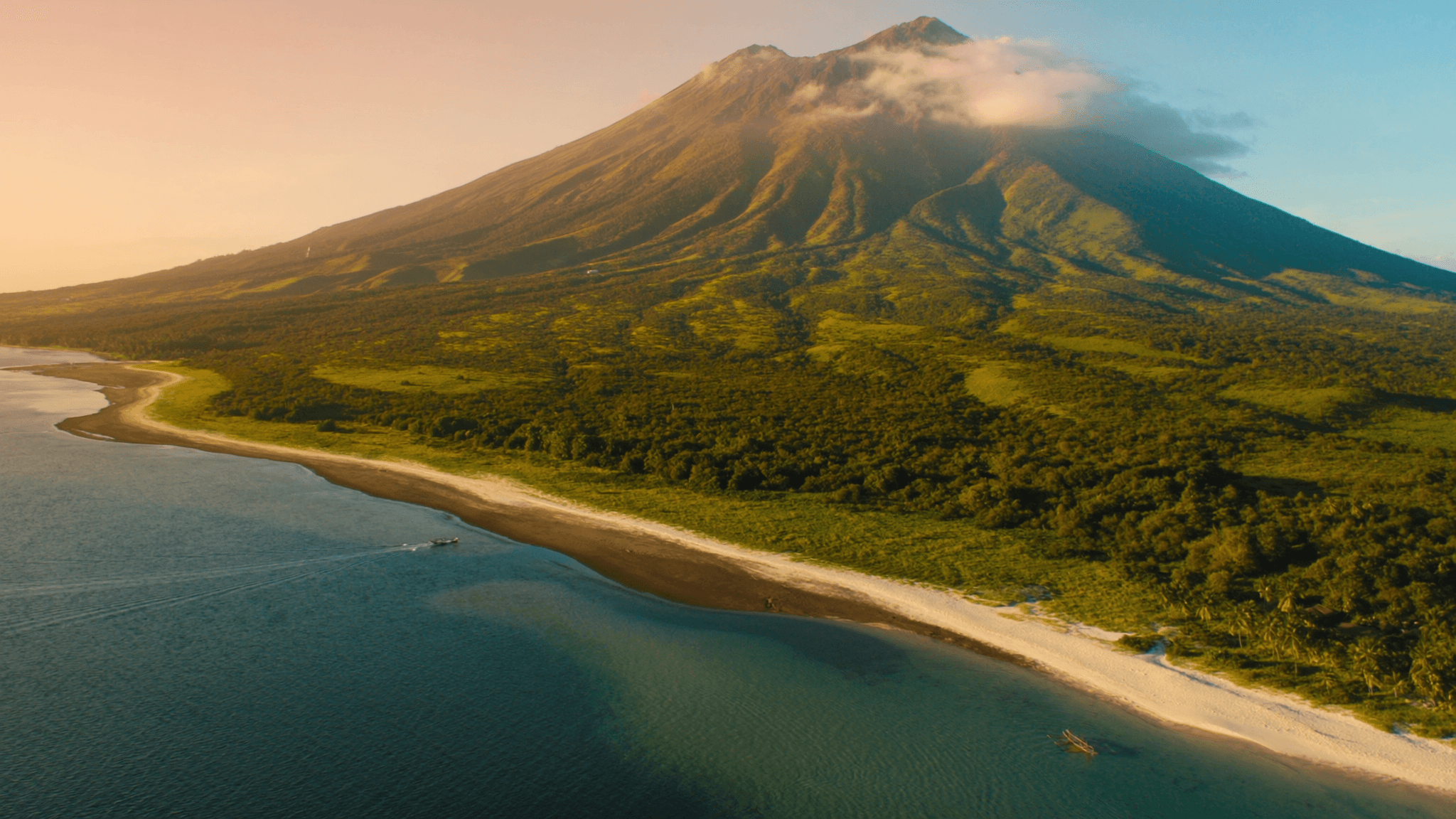
Camiguin's mainland sand is dark volcanic grey. We are a young volcanic island — seven volcanoes, one of them active — and that is simply what the sand is. If your mental image of the Philippines is walking out of a room onto powder-white sand, that is Boracay, Bantayan or Nacpan, and it is honestly not here. Our white sand is offshore, at White Island, and you reach it by boat at sunrise.
We say this in every guide we write because getting it wrong ruins a holiday, and because the reverse is also true: people who come for the quiet, the volcano, the springs and the ring road are almost never disappointed by the sand, and people who come purely for the sand sometimes are.
Black sand is not a lesser beach, either. It gets hot faster, it photographs completely differently, and the water off a volcanic coast tends to drop away quickly — which is bad for toddlers and excellent for snorkelling. Mantigue, ten minutes off our east coast, has a white beach with a coral wall almost immediately offshore; the Mantigue and giant clams guide covers both.
And one beach is missing from this list on purpose. The country's famous pink-sand beach is on Great Santa Cruz Island, off Zamboanga City — which sits in the one part of the Philippines that has carried long-standing government travel advisories, for reasons we explain properly in is the Philippines safe. Visits run through the city tourism office when they run at all. We mention it because its absence from every list is never explained, and because we live in Mindanao ourselves and would rather give you the real reason than a silence.
When to go, which matters more than where
The Philippines has two monsoons that soak opposite coasts, which means there is no single month that is good for every beach in this article — and it also means there is almost always a coast that is having a good week.
Broadly: the Visayas and the west coast run driest from roughly March to May, the Pacific-facing east coast works through the months that batter everywhere else, and typhoon season runs from around June to December with a peak in the late-summer months. A beach trip built in the wrong half of the year to the wrong coast is the most common planning mistake we see. The whole pattern, month by month, is in the best time to visit the Philippines.
For sandbars specifically, the sea state matters more than the rain. A sandbar trip is a small-boat trip, and a small boat does not go out on a rough morning. Keep one flexible day in any itinerary that has a sandbar in it.
Which beach for which traveller
You want the classic beach holiday with no logistics. Boracay's White Beach, or Panglao on Bohol. Walk out, sunbed, drink, repeat.
You want the photograph, and you will work for it. Kalanggaman, then Nacpan.
You want quiet above everything. Bantayan, Sipalay or Calaguas. Accept the bus and the ferry as the price.
You want one unforgettable morning rather than a week on sand. A sandbar at sunrise — White Island if you are anywhere near the Bohol Sea, Kalanggaman if you are in Leyte. If it is ours you are after, tell us your dates and we will have the banca timed to the tide and a flask of coffee in it.
You want the beach to be part of something else — a volcano, a forest, a slow island. That is us, with the caveat about the sand stated above, and it is the whole argument of our guide to the best islands in the Philippines.
You want to surf. Siargao, Baler. Do not expect to swim much.
Frequently asked questions
What is the most beautiful beach in the Philippines?
For a long walk-out strip of sand, Nacpan in El Nido and Boracay's White Beach are the strongest candidates — Nacpan with far fewer people per metre. For something you cannot see elsewhere, the sandbar at Kalanggaman in Leyte is the most striking beach in the country. They are different categories, and which one is "most beautiful" depends on whether you want to spend a week on a beach or one unforgettable morning on one.
Is Boracay still worth visiting?
Yes. White Beach is four kilometres of genuinely excellent sand with warm shallow water and famous sunsets, and the regulations introduced after the 2018 closure — no drinking or smoking on the sand, structures set back from the water, accredited accommodation, caps on arrivals — are the reason it is still in good condition. The honest caveat is density: at peak season it is busy, and no amount of management changes that.
Which Philippine island has the best white sand beaches?
Boracay for a single famous strip, Bantayan in northern Cebu for shallow turquoise water at low prices, and Palawan for sheer quantity and variety. Leyte has the best sandbar at Kalanggaman. Volcanic islands like Camiguin have dark grey mainland sand and white sand offshore, which is a distinction worth knowing before you book.
What is the best sandbar in the Philippines?
Kalanggaman Island off Palompon in Leyte, by most accounts, with long curving spits at either end of a tiny palm-covered island. Visitor numbers are capped and advance registration through the municipal ecotourism office is required. White Island in Camiguin, Naked Island in Siargao and the Manjuyod bar off Bais are the other standouts.
Are all Philippine beaches white sand?
No, and assuming so is the most common booking mistake in the country. Volcanic islands — Camiguin, parts of Negros and Albay, the ash coves of Zambales — have grey or black sand, while the famous white strips are mostly on limestone and coral coasts like Boracay, Bantayan and Palawan. Check which geology you have booked before you picture the beach.
Are the beaches in Siargao good for swimming?
Mostly not, and this is the most common misunderstanding about the island. Cloud 9 is a reef break reached by a boardwalk over coral — a surf and spectating spot rather than a swimming beach. The sandy swimming on Siargao happens on the island-hopping day out at Daku, Naked and Guyam islands.
How much do boat trips to Philippine beaches cost?
Boat fares are charged per boat rather than per person almost everywhere, which makes offshore beaches dramatically cheaper for a group of four than for a solo traveller. As a reference point, a round-trip banca to the White Island sandbar in Camiguin runs around ₱550 per boat, plus a small environmental fee per person. Expect comparable structures elsewhere, with island-hopping tours priced per head.
When is the best time for a beach holiday in the Philippines?
It depends which coast you are on, because two monsoons soak opposite sides of the country. Broadly, the Visayas and western coasts are driest from around March to May, the Pacific-facing east coast holds up during the months that soak everywhere else, and typhoon season runs from roughly June to December. For any trip involving a sandbar or an island-hopping day, keep one flexible day for sea conditions.
Which Philippine beach is best for families with small children?
Shallow, calm, walk-out beaches: Santa Fe on Bantayan, Dumaluan on Panglao, and the gentler end of Boracay's White Beach. Avoid volcanic coasts where the water drops away quickly, and treat sandbars with care — there is no shade at all on them, which matters more with young children than the swimming does.
Are there quiet beaches left in the Philippines?
Plenty, and they share one feature: no airport nearby. Bantayan, Sipalay in Negros Occidental, and Calaguas in Camarines Norte all require a bus and a boat, which is exactly why they stay quiet. Quiet in the Philippines is paid for in transfers rather than in money.
What is the pink sand beach in the Philippines?
Great Santa Cruz Island, off Zamboanga City, where crushed red organ-pipe coral mixes into the sand. It sits in the one part of the country that has carried long-standing government travel advisories, and visits are arranged through the city tourism office when they are running at all — which is why it is absent from almost every beach list without explanation.
Is black sand worse than white sand?
No, it is different. Volcanic sand heats up faster underfoot, photographs in a completely different register, and tends to shelve away more steeply into deep water — which is poor for toddlers and very good for snorkelling, since the coral is close to shore. What it is not is the powder-white image most people hold of a Philippine beach, so it is worth knowing which one you have booked.
Come home to Camiguin
We have sent you to other people's beaches for most of this article, which is either bad marketing or the only kind worth trusting.
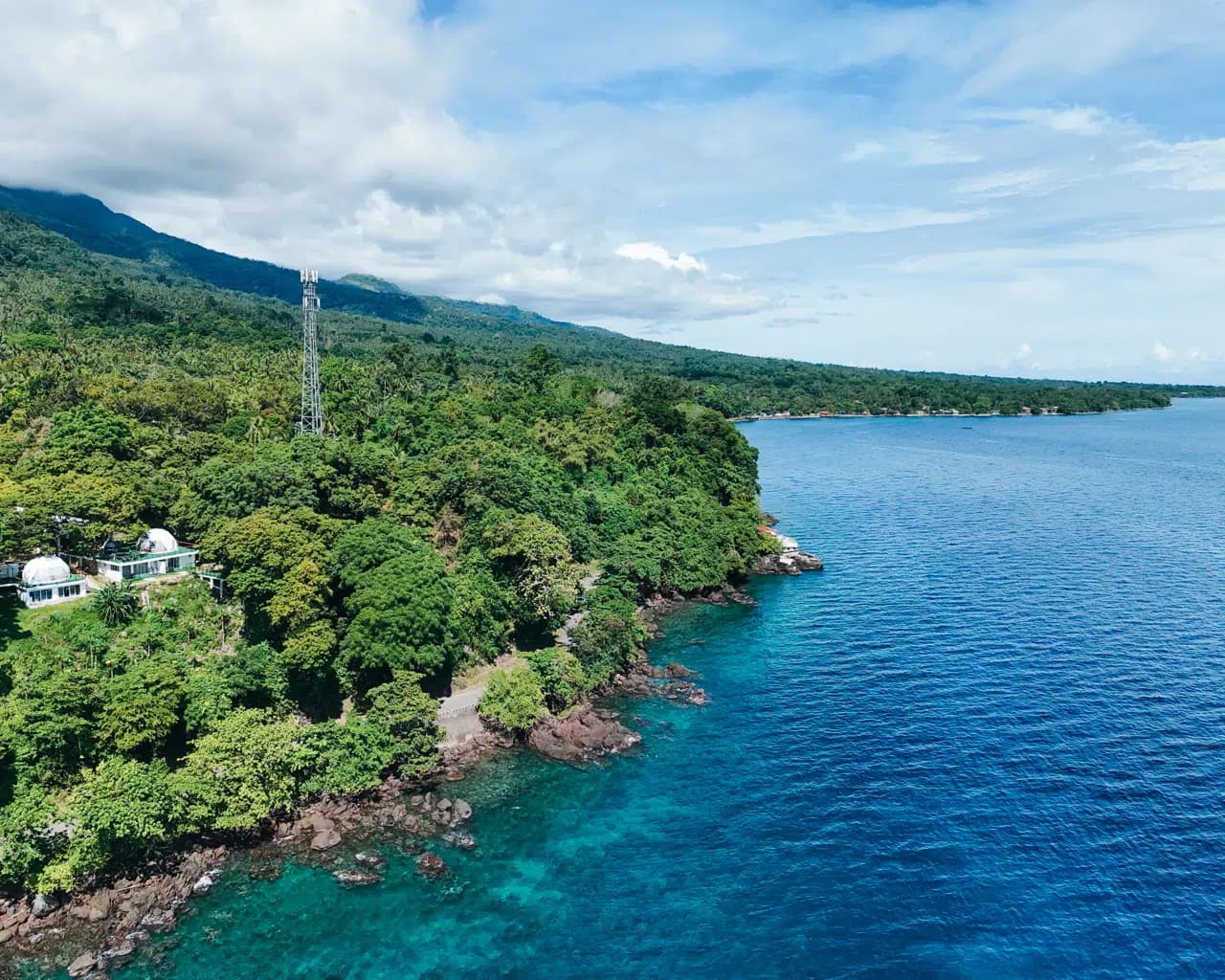
Here is ours, stated accurately. The sand under our cliff is volcanic grey. Ten minutes offshore there is a white sandbar that changes shape with the tide, and if you are willing to be on a boat at first light, you will have it almost to yourself. Behind you there is a volcano, two waterfalls, three kinds of spring and a 64-kilometre road with nobody on it. We think that is a better week than a sunbed. We would say so even if we were not selling it.
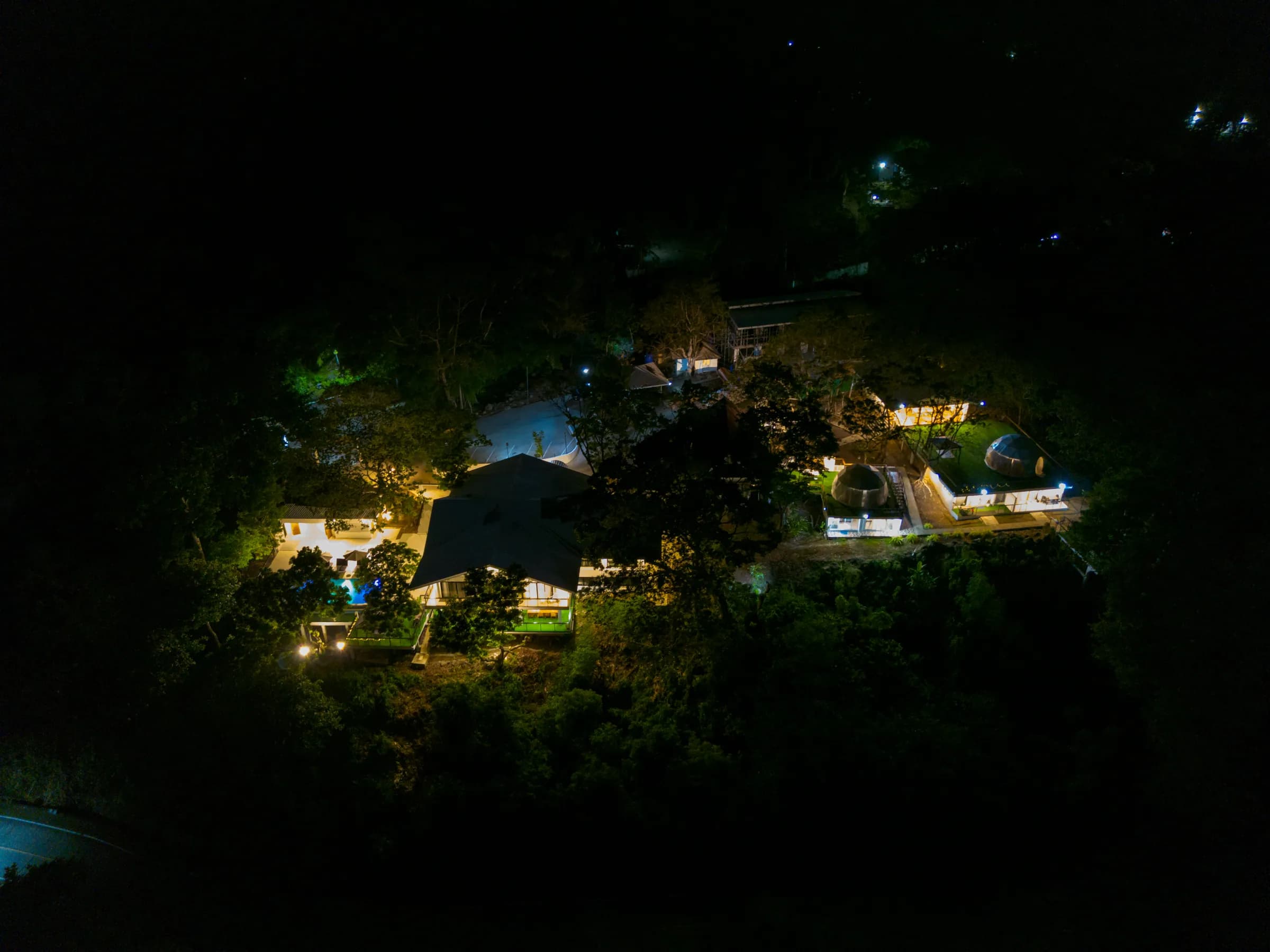
See everything the island holds, browse our rooms, or book your stay direct — including the cliff-edge glamping, which is the closest you will come to sleeping on the sea. Message us on WhatsApp, reach us anytime at +63 917 582 2277, or visit us at Purok 6, Puting Balas, Mambajao, 9100 Camiguin.
Come for the sandbar at sunrise. Stay for the rest of it. Welcome home.
More Than a Resort. A Place to Belong. — Txaleta de Camiguin