
We answer most of these at the front desk before a guest has finished their welcome drink. This page exists so you do not have to wait that long.
It is organised the way the questions actually arrive — not alphabetically, but in the order a trip gets planned: whether to come at all, how to get here, what it costs, what to pack, where to stay, what to do, and who the island suits. Every answer is short on purpose. Where the real answer runs longer than a paragraph, we link to the guide that has the whole thing.
Written by the family at Txaleta de Camiguin, who field most of these questions in person. Published November 2026.
Before you book
Is Camiguin worth visiting?
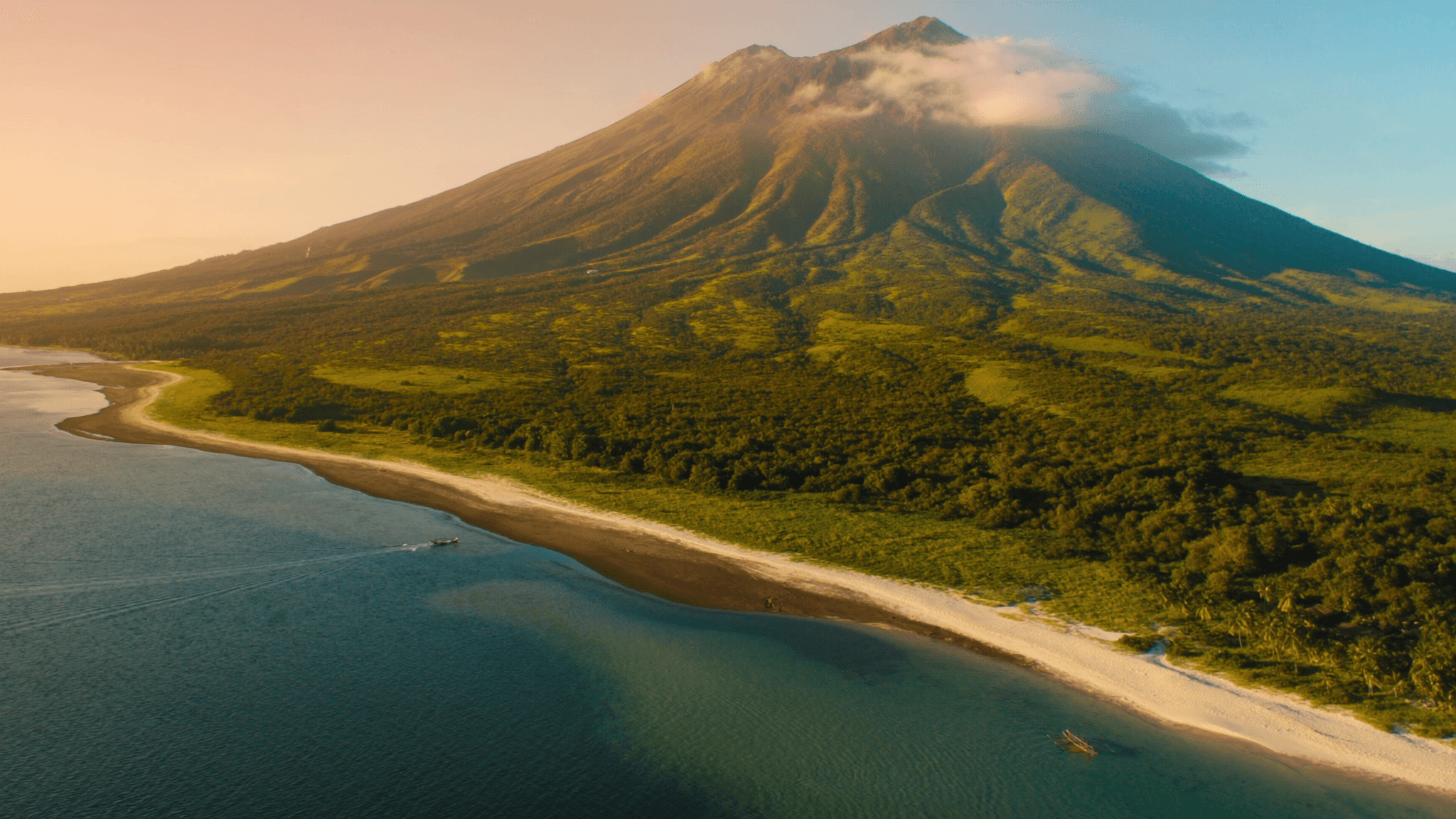
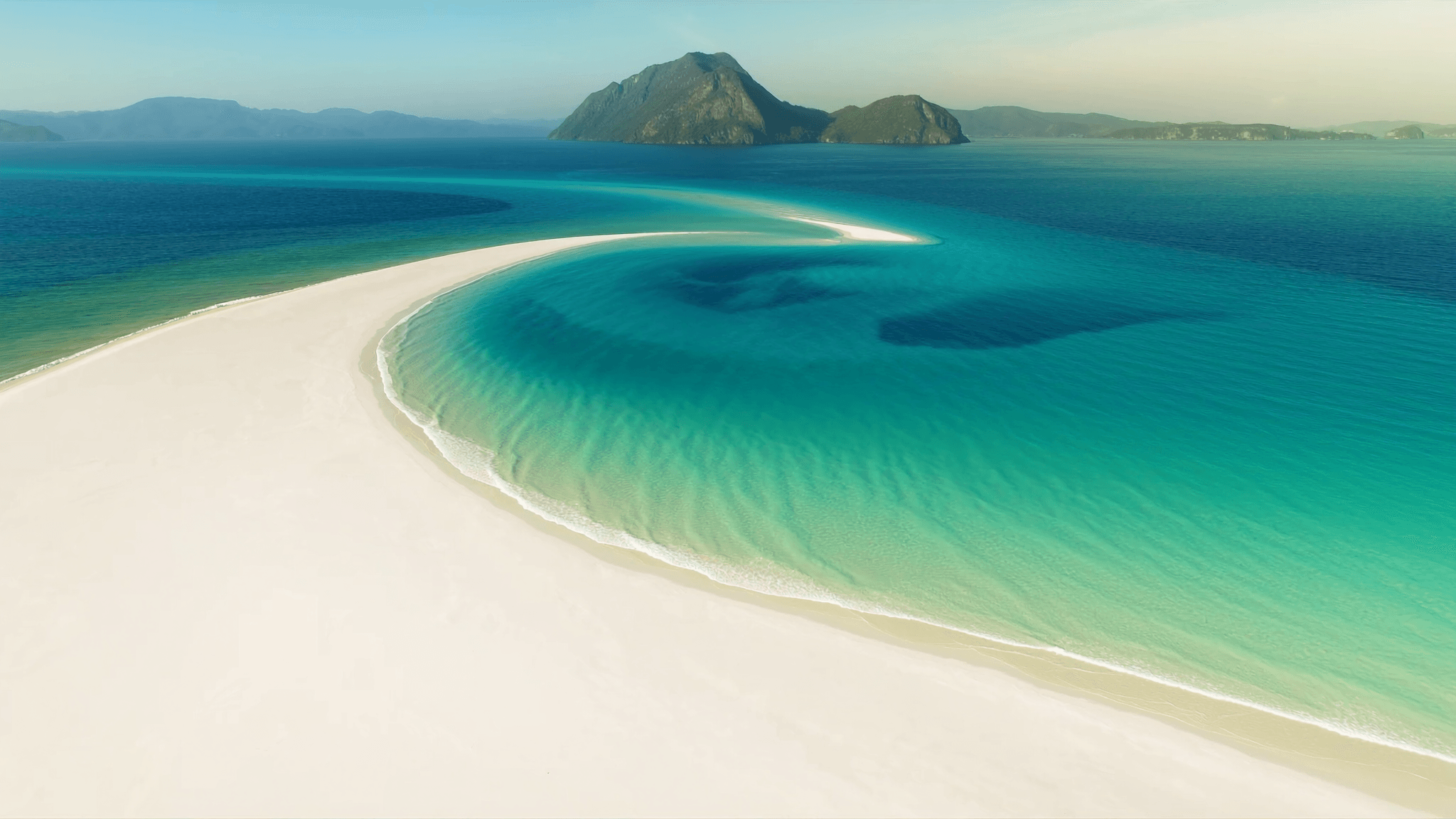
If quiet, volcanic landscape, hot and cold springs, and a sandbar you don't have to fight for sound like your trip, yes — and it's one of the few Philippine islands that has never had to close itself to fix overcrowding. If you want nightlife, a dining scene or a famous beach to walk out onto, it isn't the island for that; Boracay or Siargao do those things and Camiguin doesn't try to.
How many days do you need in Camiguin?
Three full days covers the highlights — White Island at sunrise, the Sunken Cemetery, a waterfall, Mantigue Island. Four or five lets you add the Hibok-Hibok hike or simply slow down. The island is small enough that you're never more than an hour from anything, so extra days buy pace, not distance. Full day-by-day plan: our Camiguin itinerary.
When is the best time to visit?
March to May is the safest bet — driest, sunniest, calmest sea. June and September are the quiet shoulder weeks with good weather and easier rooms. October is the most alive, for the Lanzones Festival, but book early. Full month-by-month breakdown: best time to visit Camiguin.
Is Camiguin safe?
Yes, on the same terms as the rest of ordinary-risk Philippines — petty theft and traffic are the realistic concerns, not anything more dramatic. Camiguin sits in northern Mindanao, nowhere near the specific, narrowly-defined areas that carry active travel advisories. We've laid the whole regional picture out honestly in is the Philippines safe?
How much does a trip to Camiguin cost?
Per person per day, excluding flights: roughly ₱1,500–2,500 backpacking, ₱3,500–5,500 mid-range, ₱7,000–12,000+ comfortable. The flight in is usually the biggest single line item, not anything on the island. Full breakdown with a real table: how much does a Camiguin trip cost.
Does Camiguin get typhoons?
Rarely in a way that disrupts a trip — it sits further south than the main typhoon belt that hammers Luzon and the northern Visayas. The rainy season (roughly June to November) brings afternoon downpours more than storms, though any Philippine itinerary should carry some schedule slack in those months.
Getting there and around
How do I get to Camiguin?
There's no direct flight from Manila. You either fly Manila → Cebu → Camiguin on the one daily Cebgo turboprop, or fly into Cagayan de Oro's Laguindingan airport and take a bus and ferry via Balingoan. We break both down fully in how to get to Camiguin from Manila and from Cagayan de Oro.
Is there a direct flight to Camiguin?
Only from Cebu — about one Cebgo turboprop flight a day, roughly 55 minutes. There has never been a direct flight from Manila or anywhere else. See getting to Camiguin from Cebu for that leg in full.
How do I get around the island once I'm there?
A scooter at around ₱450 a day is the best value for confident riders; an SUV with a driver (around ₱2,850 plus ₱1,000) suits families and non-riders. Public multicabs cross the island for about ₱25 but stop early evening. There's no ride-hailing app at all, so arrange airport or port pickup before you land. Full detail: getting around Camiguin.
Is there Grab or a taxi app on Camiguin?
No. None at all. Your options are a tricycle, a shared or private multicab, or a transfer arranged by your accommodation — which is why we build pickup into every stay rather than leaving guests to sort it after a travel day.
Which port does my ferry arrive at?
Depends on where you sailed from. Benoni, on the southeast coast, takes the Balingoan ferry from Cagayan de Oro's side. Balbagon, near Mambajao, takes the ferry from Jagna in Bohol. Confusing the two is the single most common arrival mistake — check which route you're on before arranging a pickup.
Money, connectivity and practicalities
Do I need to bring cash?
Yes, more than feels sensible. Camiguin has few ATMs, all around Mambajao, and almost everything outside resorts and hotels — fares, entrance fees, carinderias — is cash-only. Full practical rundown: Camiguin travel tips.
Will my phone work on Camiguin?
Yes, with a Globe or Smart SIM — buy it on the mainland if you can, since Philippine law requires registration to your passport, which is simpler at an airport counter than on the island.
Can I drink the tap water?
No. Purified refill water is sold everywhere on the island for very little, so there's no real inconvenience, just don't drink from the tap.
What's the resort's internet actually like?
Good enough for messages, documents and a video call you wouldn't mind dropping once — ours runs on Starlink, with the router on our own generator. If your work depends on a reliable connection all day, read Camiguin for digital nomads before you commit to a long stay.
What should I pack?
Pack for rock and black sand, not powder beaches: real water shoes, a long-sleeved rash guard, reef-safe sunscreen, a dry bag for the bancas, and a power bank. If you're flying Cebu–Camiguin, the Cebgo turboprop has a 7 kg cabin allowance. Full list: what to pack for Camiguin.
Where to stay and eat
Where should I base myself on Camiguin?
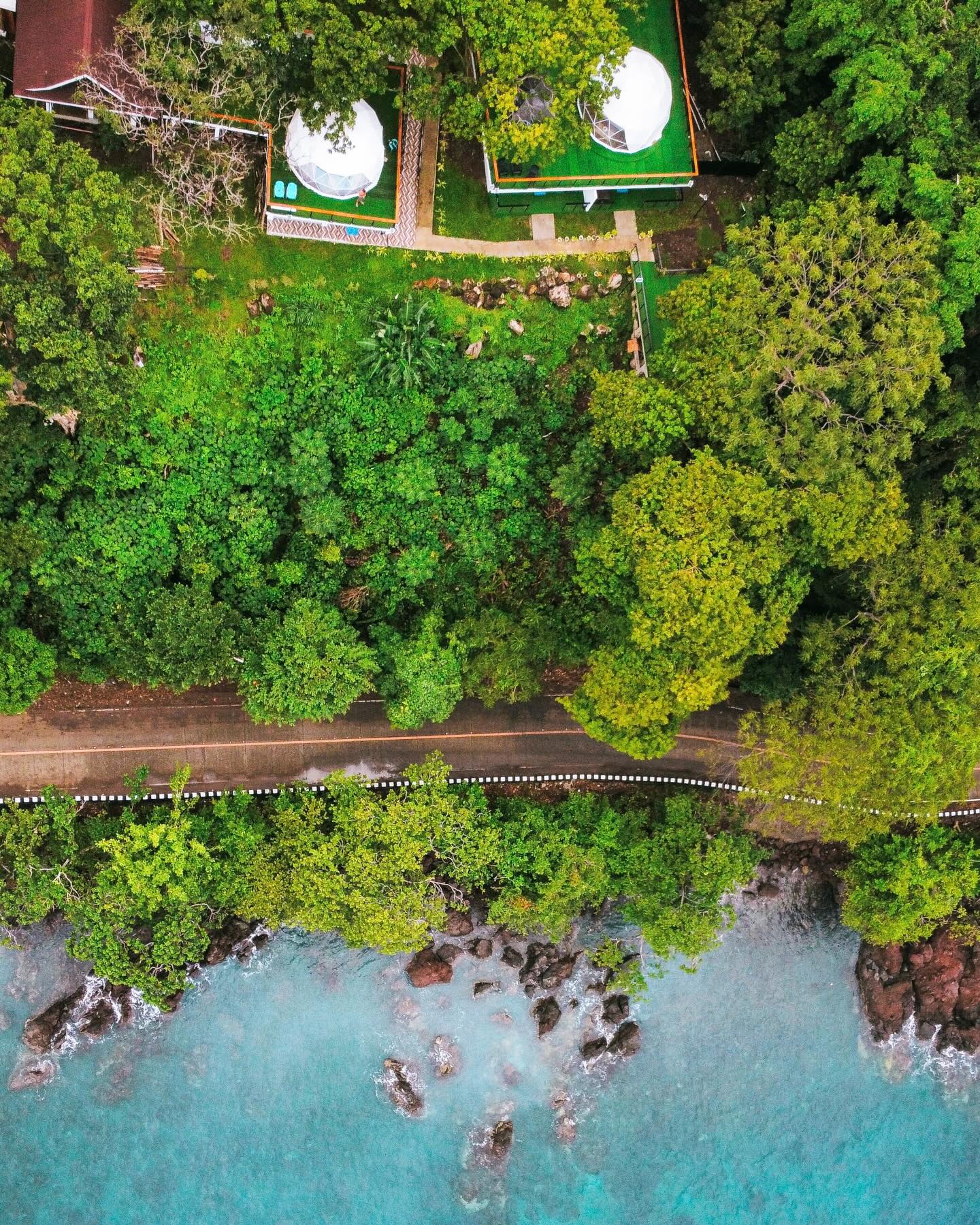
Most people should stay on the north-west coast around Mambajao — Kuguita, Baylao, Naasag, Yumbing, Agoho and Bug-ong — close to the airport, White Island's jump-off, restaurants and the hot springs. A smaller number of places, including ours, sit on the east-facing cliffs past town for the sunrise. Full area-by-area guide: where to stay in Camiguin.
What's the best place to stay for the view?
Camiguin has very few true clifftop properties, split between two coasts that give you opposite things: the north-west gets a seasonal sunset (roughly April–August), the east-facing cliffs get sunrise over open water every day of the year. We're on the eastern side, so read our best clifftop resort guide knowing exactly which way our bias points.
What should I eat on Camiguin?
Pastel (a sweet bread that exists because of the volcano's lanzones orchards), lanzones itself in season, and Filipino-Spanish dishes left behind by the old Spanish trade routes — paella chief among them. Full list of what to actually eat and where: what to eat in Camiguin.
What's the best restaurant on the island?
There's no competitive dining scene here — most kitchens close early and the island isn't built around going out to eat. Our own clifftop kitchen, which takes walk-ins as well as guests, is where we'd send you; see the best restaurant in Camiguin for the honest case, including where carinderias beat any restaurant on value.
Things to do
What are the must-see attractions?
White Island at sunrise, the Sunken Cemetery, Mantigue Island's giant clam sanctuary, and at least one of Katibawasan or Tuasan Falls. The full, geography-ordered list of 25: things to do in Camiguin.
Can I climb the volcano?
Yes — Mt. Hibok-Hibok, about 1,332 m, roughly 5½–6½ hours round trip with a required local guide. It's an active volcano that last erupted destructively in the early 1950s, so this is a real hike, not a stroll. Full guide: climbing Mt. Hibok-Hibok.
Is the diving any good?
It's macro, topography and solitude rather than big fish and big names — the Sunken Cemetery's coral garden, the Old Volcano's lava wall, and Mantigue's wall are the standouts. Very few operators exist on-island, so book ahead in high season. Full site-by-site breakdown: diving in Camiguin.
What is the Lanzones Festival?
A week-long celebration in Mambajao, usually falling in the second half of October, built around the island's signature fruit — street dancing, a tableau competition and evening events centred on the Mambajao Grandstand. Full details and dates: the Lanzones Festival guide.
Who Camiguin is (and isn't) for
Is Camiguin good for families with kids?
Unusually good, and not for the obvious reasons — the island is small enough that nothing is a six-hour transfer, which outranks almost every other factor with children. Full case, including what to skip: Camiguin with kids.
Is Camiguin a good honeymoon destination?
Yes, and it's arguably the most on-brand audience the island has — quiet, uncrowded, small enough that nothing is an expedition. Five nights is the sweet spot: three sees the island, five lets you stop checking the time. Full guide: Camiguin honeymoon.
Can I work remotely from Camiguin?
For some jobs, yes — writing, coding, design, a few calls a week. For back-to-back video calls or heavy daily uploads, no, and we say so directly. Read Camiguin for digital nomads before booking a long stay.
Is Camiguin good for birdwatching?
If you're after a handful of island endemics in genuine forest rather than a five-hundred-species list, yes — Camiguin carries a few birds found nowhere else on Earth. Full guide: Camiguin birdwatching.
Should I pair Camiguin with another island?
Often, yes. It's linked by ferry to Bohol via Jagna, close enough to compare directly with Siquijor and Siargao, and a useful stop on a wider Philippines route. See Camiguin vs Bohol, Camiguin vs Siquijor, Camiguin vs Siargao, and 2 weeks in the Philippines if you're building a longer trip.
Still have a question?
If it isn't above, it's probably answered in one of the guides linked throughout this page — or just ask us directly. We're the family on the clifftop, not a call centre, and we'd rather give you a straight answer than have you guess.
Browse our rooms, book your stay direct, or message us on WhatsApp. Reach us anytime at +63 917 582 2277, or visit us at Purok 6, Puting Balas, Mambajao, 9100 Camiguin.
More Than a Resort. A Place to Belong. — Txaleta de Camiguin